We are an education centre with
the conviction that learning is not something that happens when an expert
deposits information into a passive recipient. It is something that emerges
from encounter, between people and between disciplines. Everything we do is
designed around that framework. Our team of psychologists,
social scientists, engineers
and IT scientists is
deliberately diverse and through our multidisciplinary approach we contribute
to educational innovation, to active and informed citizenship, and to the kind
of European cooperation that produces real change beyond the impressive
paperwork. We design and deliver
learning programmes, courses, workshops and even tailored training activities
(formal, informal, nonformal) for individuals, organisations and groups. We
also develop educational tools and resources that others can use and adapt. Our
main collaborators are schools, adult education centres, vocational training
institutions, local and regional authorities, civil society organisations and
youth centres. As a result we have a growing network of partners across Europe
and a track record of more than a 100 completed projects.
Our Courses
Join Us And Begin Your Learning Journey
A Short-term Professional Development Mobility
Job Shadowing in Athens
Job Shadowing is a short-term
professional development mobility funded under the Erasmus+ Key Action 1
programme. Unlike structured courses, it is not about sitting in a classroom
being taught. It is about immersing yourself in a working educational environment
in another country observing, participating, exchanging, and reflecting
alongside experienced colleagues. Our Job Shadowing programme
invites teachers, school leaders, trainers, and education staff from across
Europe to spend a week in Athens as professional observers and learners. You
will step inside Greek institutions and organisations, sit alongside colleagues,
bring your questions, your experience, and your curiosity and you will leave with the perspective that
comes from seeing your own practice reflected in the work of others.
Athens is one of Europe's most
complex and compelling educational environments and that complexity is
precisely what makes it so valuable as a job shadowing destination. Greek
schools serve one of the most diverse urban student populations in southern Europe.
Athens has been at the forefront of managing large-scale migration and refugee
integration, and its teachers have developed remarkable expertise in welcoming
and educating children from dozens of different linguistic and cultural
backgrounds.
For any educator working with diversity and inclusion, there is no
better place to observe these skills in action.
At the same time, Greek
education is navigating a genuine transformation. After years of economic
crisis that tested institutional resilience to its limits, schools across
Athens have emerged with a hard-won pragmatism and creativity finding ways to
do more with less, building community around learning, and developing teacher
cultures marked by solidarity and mutual support. The challenges have been
real, and the responses to them have been instructive.
Our extensive network of partner
schools and educational institutions spans Athens and its surrounding
municipalities. Depending on your professional interests and goals, your
programme can be tailored to include visits to and observations in:
Step
inside the Greek public school system and observe how it actually functions day
to day. You will see how teachers manage structured national curricula within
the constraints of a centralised system, how they adapt to large and
mixed-ability classes often with limited resources, and how individual
educators carve out genuine space for creativity, warmth, and pedagogical
innovation within those constraints. Greek teachers are, by necessity,
extraordinarily resourceful, and watching that resourcefulness in action is one
of the most instructive things a visiting educator can experience
Greece has been actively
reforming its vocational pathways, and Athens is home to a concentration of
vocational high schools and vocational training institutes (called EPAL and IEK
respectively) that reflect this transition. You will observe how schools are
bridging the gap between the classroom and the labour market, integrating
digital skills and entrepreneurial thinking into vocational curricula, and
working to change the long-standing cultural perception that vocational
education is a second-best option, an uphill challenge that Greek VET educators
are tackling with notable determination.
Athens has a well-developed
network of adult education institutions called Second Chance Schools, designed
specifically for adults who left education early, as well as lifelong learning
centres spread across its municipalities. These settings address school
dropout, long-term unemployment, migrant integration, and social exclusion in
ways that are both practically inventive and philosophically interesting,
placing adult dignity and self-determination at the centre of the educational
relationship in ways that many mainstream schools struggle to replicate.
Athens has been at the centre of
Europe's migration and refugee challenges for over a decade, and its schools
have developed real, tested, and often impressive expertise in response. Greece
operates a formal system of Reception Classes — dedicated structures within
mainstream schools designed to support newly arrived children in language
acquisition and integration — and several Athenian schools have become genuine
centres of excellence in intercultural pedagogy. Observing these settings
offers an unfiltered look at inclusion in its most demanding and most human
form.
Alongside the state system,
Athens hosts a the distinctive category of Peiramatika Scholia, officially
designated experimental schools attached to Greek universities, which serve as
testing grounds for innovative curricula and pedagogical research. These
schools operate with a degree of freedom unusual within the Greek system and
offer a fascinating counterpoint to mainstream state education, often
pioneering approaches that gradually filter into broader practice.
Our programmes can be built
around any professional focus. The most frequently requested themes in Athens
include: Inclusion and Diversity: With
one of Europe's most diverse urban school populations, Athens offers
unparalleled opportunities to observe intercultural pedagogy, refugee
education, differentiated instruction, and the daily reality of truly inclusive
classrooms. Digital Transformation: See how
Athenian schools are integrating technology and AI tools into everyday
teaching, from primary classrooms to VET workshops, and how teachers are
navigating the challenges and opportunities of the digital shift. Sustainability and Environmental
Education: With the pressures of urban growth, water scarcity, and climate
change highly visible in the Mediterranean context, Athenian schools have
developed creative approaches to environmental education that connect local
reality to global challenges. Tailored Programmes: The most
valuable job shadowing experiences are those designed around your specific
needs. Tell us what you want to learn, what challenges you want to address, and
what you hope to bring back to your institution — and we will build the
experience around you.
Tell us your goals: Contact us with your
professional interests, your institution's development priorities, the number
of participants, and your preferred dates. The more specific you are, the
better we can design your experience.
We design your programme: We match you with the most
relevant partner schools and assign a dedicated mentor for each participant. We
send you a draft programme for approval before anything is confirmed.
We handle thw logistics: We prepare all required Erasmus+
documentation, including the Mobility Agreement, support with the Europass
Mobility Certificate, and a welcome pack with practical information about
Athens. We are your single point of contact for everything.
You arrive: We welcome you to Athens with a
briefing session that contextualises what you are about to observe, the Greek
education system, its recent history, its current priorities, and the specific
organization you will be visiting.
You observe, participate, and
reflect:
Each day includes structured
school visits with your dedicated mentor, guided observation, opportunities for
informal exchange with teachers and staff, and a daily reflection session with
fellow participants to process what you have seen.
We close the loop: On the
final day, we facilitate a structured debrief to help you consolidate your
learning, identify your key takeaways, and begin planning how to bring them
back to your home institution. We provide all certification documentation
required by your National Agency
✱
Duration: Usually 3 to 5 days (excluding
travel), but longer programmes are available on request.
✱
Participants: Available for teachers, school
leaders, trainers, support staff, librarians, and administrative personnel from
school education, VET, and adult education institutions.
✱
Language: All programmes are conducted in
English. Knowledge of Greek is not required.
✱
When: Job shadowing in Athens is
available throughout the Greek school year, typically from October through
June, with flexible scheduling to accommodate your institution's project
calendar.
✱
Fees: Contact
us for a personalised quote based on your programme duration, number of
participants, and specific thematic focus.
Ready to bring your team to
Athens? Contact us to begin designing your programme. We look forward to
welcoming you.
European cooperation doesn't
happen by accident it's built, project by project, by organisations that share
a common vision and are willing to invest in it together. If you're looking for
a committed, experienced partner for your next KA2 ErasmusPartnership, we'd
love to talk. Since 2020, we have built a solid
reputation in implementing EU-funded projects, bringing together educators,
psychologists, engineers, and social scientists under one roof. Our team
combines academic rigour with hands-on project management experience.
Beyond our internal expertise, we
maintain an extensive network of public authorities, educational institutions,
civic organisations, and professional associations across Greece and Europe.
Our partnership interests centre
on the areas where education and social change intersect most urgently. We are
particularly drawn to projects that address social inclusion and the fight
against discrimination, mental health and psychosocial resilience, digital
skills and transformation, environmental awareness and sustainable lifestyles,
and adult learning and active citizenship. These areas reflect the day-to-day
work we already carry out at the local level, which means that any KA2 project
we join is grounded in the local community needs.
In practical terms, we can
contribute to a KA2 partnership in a variety of ways depending on the project
design. This includes co-authoring intellectual outputs and training materials,
organising and hosting transnational project meetings, running local workshops
and awareness campaigns tied to the project's objectives, and disseminating
results through our networks. We are comfortable taking on a leading role where
appropriate, and equally comfortable supporting a consortium led by a partner
organisation with greater experience in a specific area. If you
have a project idea taking shape and are looking for a Greek partner, or if
you'd like to explore the possibility of developing a concept together from
scratch, reach out to us. Visit our dedicated website europerativa.eu for more info, and contact us directly at europerativa@gmail.com
Our Method
At
Europerativa, we are committed to fostering lifelong learning by offering a
diverse and inclusive range of courses tailored to adult learners of all
backgrounds. Our mission is to provide high-quality education that enhances
personal and professional development, promotes social inclusion, and responds
to the evolving needs of our local and international communities. Through our
curriculum, we aim to empower individuals by equipping them with the skills,
knowledge, and confidence necessary to thrive in today’s dynamic world. Our programme is deeply rooted in the
principles of active learning and learner-centred education. We believe that
education is most effective when it is participatory, collaborative, and
adapted to the needs of the learners. As such, we prioritise creating a
supportive and engaging learning environment where students are encouraged to
take ownership of their education. Our methodology integrates both theoretical
knowledge and practical skills, enabling learners to apply what they’ve learned
in real-world contexts.
Our Educational Vision
We view Erasmus+ mobility as an
opportunity to strengthen:
Professional Development
Intercultural Understanding
Democratic Participation
Social Inclusion
Emotional Wellbeing
Innovation in Education
European Cooperation and Solidality
Key Features of Our Learning Approach
Learner-Centred Education: Each course is designed to meet the diverse
needs and learning styles of adult students. We employ personalised learning
paths, allowing participants to progress at their own pace while focusing on
their unique goals and interests.
Collaborative Learning: Recognising the value of shared experiences and
perspectives, we foster a collaborative atmosphere where peer-to-peer learning
is encouraged. Group work, discussions, and projects help learners build a
sense of community and enhance their understanding of the subject matter.
Experiential and Problem-Based Learning: Our courses integrate hands-on, experiential
learning opportunities such as case studies, simulations, and real-life
projects. This approach helps students develop critical thinking,
problem-solving, and decision-making skills that are essential in both
professional and personal settings.
Blended Learning: We offer a flexible mix of in-person classes and online
modules to accommodate various learning preferences and schedules. Our digital
learning option enables learners to access course materials, participate in
discussions, and complete assignments at their convenience.
Continuous Feedback and Reflection: To ensure that learning is both meaningful and
effective, we provide regular feedback and encourage self-reflection. Our
tutors work closely with students to assess their progress, address challenges,
and refine their learning strategies.
Interdisciplinary and International Perspectives: Our courses are designed to incorporate a broad
range of disciplines and global perspectives. Learners are exposed to diverse
viewpoints and encouraged to think critically about social, cultural, and
economic issues from an international lens.
Additional Hosting Services
As a training organisation in the
field of adult education, our role extends beyond the delivery of educational
content. Alongside the implementation of training activities, we provide a
range of organisational, logistical, and mentoring services intended to support
participants throughout the entire mobility experience and facilitate the
smooth implementation of Erasmus+ programmes. Our support begins before
participants arrive and continues throughout the duration of the mobility
activity. We assist partner organisations and participants with the
coordination of practical arrangements related to accommodation, local
transportation, scheduling, communication, and programme implementation. Participants are also supported
with travel planning and local orientation. We provide guidance regarding
travel routes, airport connections, and transport options prior to arrival.
Participants are tutored by a coordinator who provides initial orientation and
practical information related to the programme, the city, transportation, and
the daily schedule. Where required by the sending
organisation or project structure, we can also assist with administrative and
financial procedures related to participant support, according to the
instructions provided by the sending institution.
Mentoring and Monitoring Programme
In addition to logistical
coordination, we provide mentoring and monitoring support throughout the
mobility period. The purpose of this support is to facilitate participants’
integration into the programme, monitor the educational process, and maintain communication
with the sending organisation when necessary. The programme begins with an
introductory meeting during which participants receive detailed information
about the structure of the mobility activity, the educational objectives,
practical arrangements, and the overall schedule. Participants are accompanied
to the course venue and, where applicable, to job shadowing placements or other
programme-related activities. Coordination support is provided throughout the
implementation period in order to assist with practical matters and ensure
smooth communication between all parties involved. Regular in-person meetings are
organised in order to monitor participants’ progress, discuss experiences,
address possible challenges, and collect ongoing feedback regarding the
educational and organisational aspects of the programme. Support is also provided
in relation to documentation and administrative requirements connected to
Erasmus+ mobility projects, including learning agreements, attendance
documentation, evaluations, certificates, and other relevant certification
procedures. For emergency situations or urgent
matters, participants have access to a 24/7 emergency contact number throughout
the duration of their stay. At the conclusion of the mobility
activity, evaluation procedures are conducted with both participants and host
organisations in order to assess the quality and outcomes of the programme. A
final documentation package can also be prepared for the sending organisation,
including participation records, evaluations, certificates, photographs,
feedback summaries, and other material relevant to reporting and dissemination
activities.
Socio-Cultural Activities
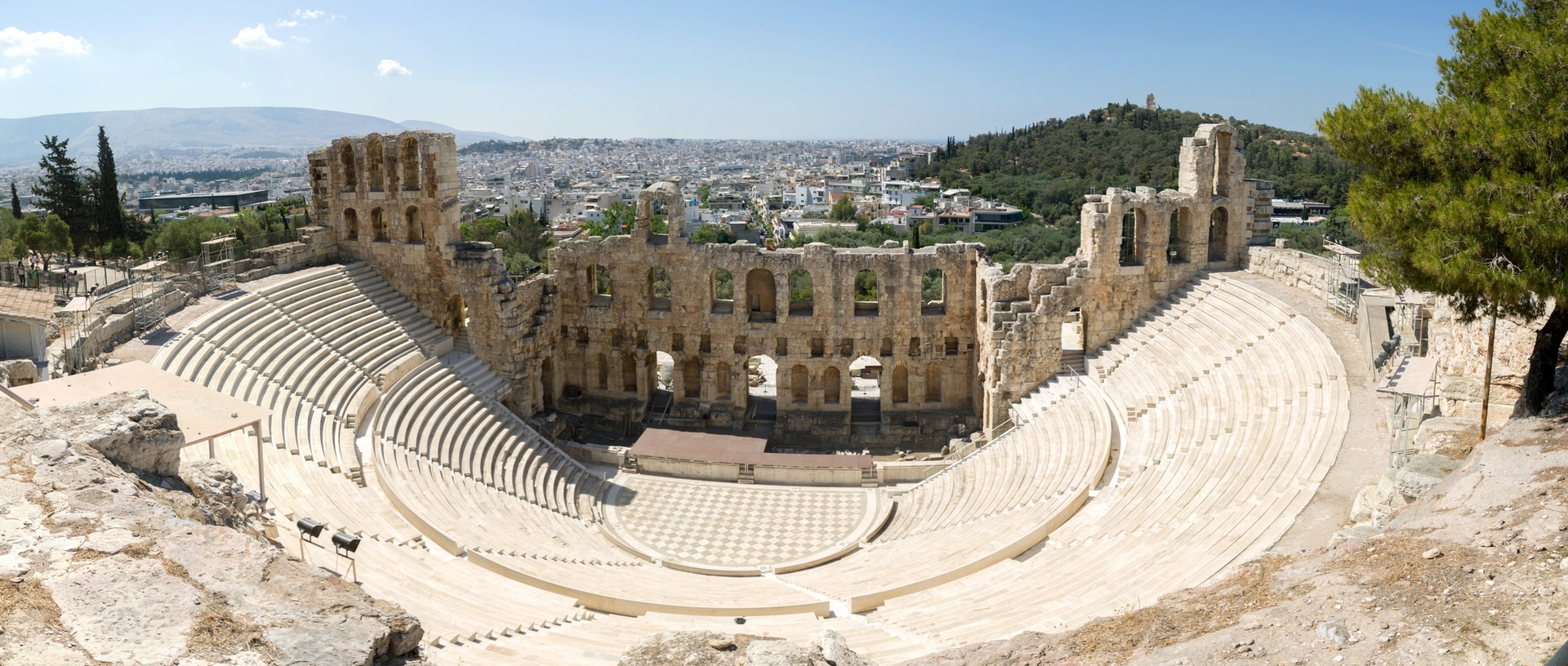
Odeon of Herodes Atticus
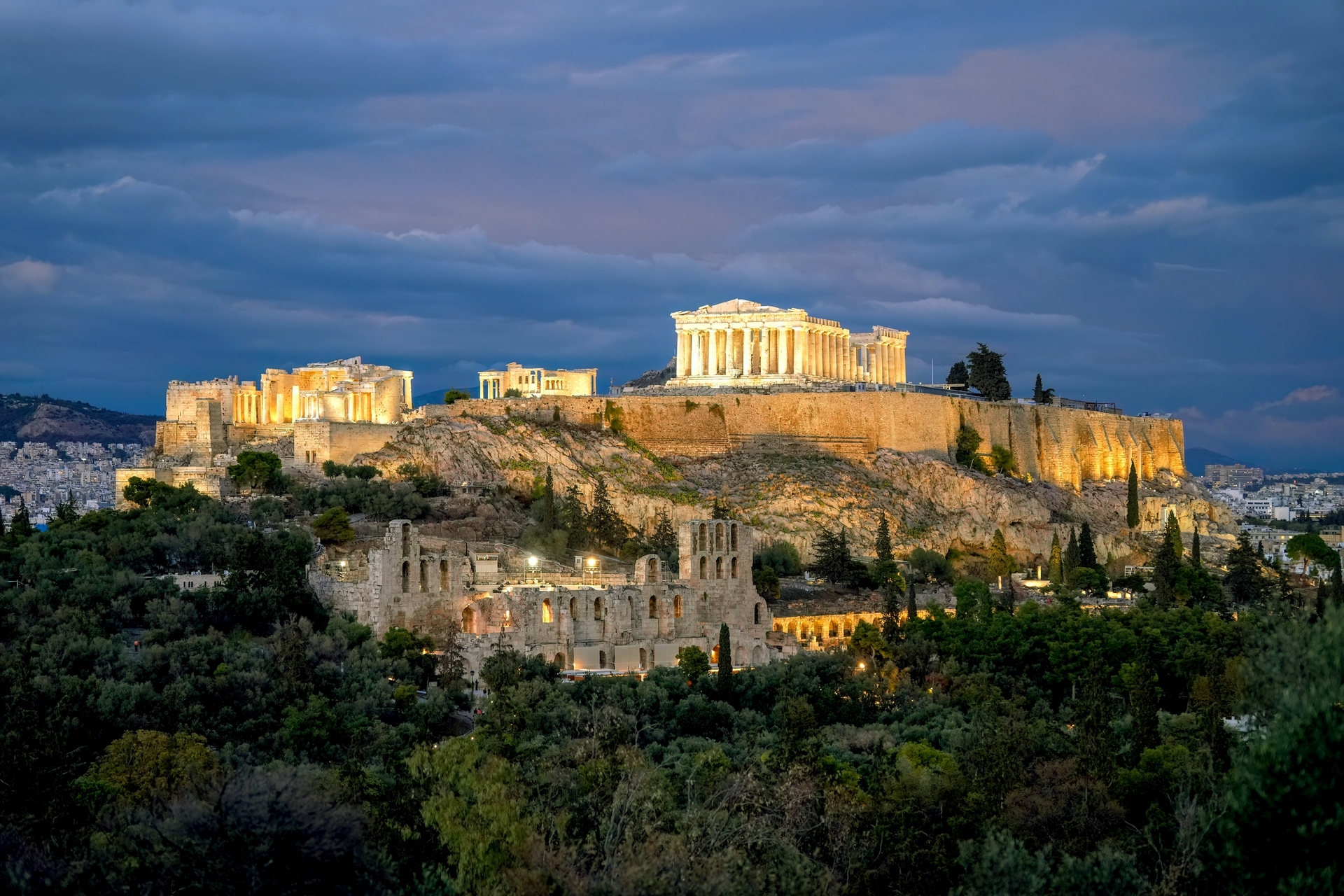
The Odeon of Herodes Atticus, also called Herodeion is a stone greek theatre structure located on the southwest slope of the Acropolis of Athens
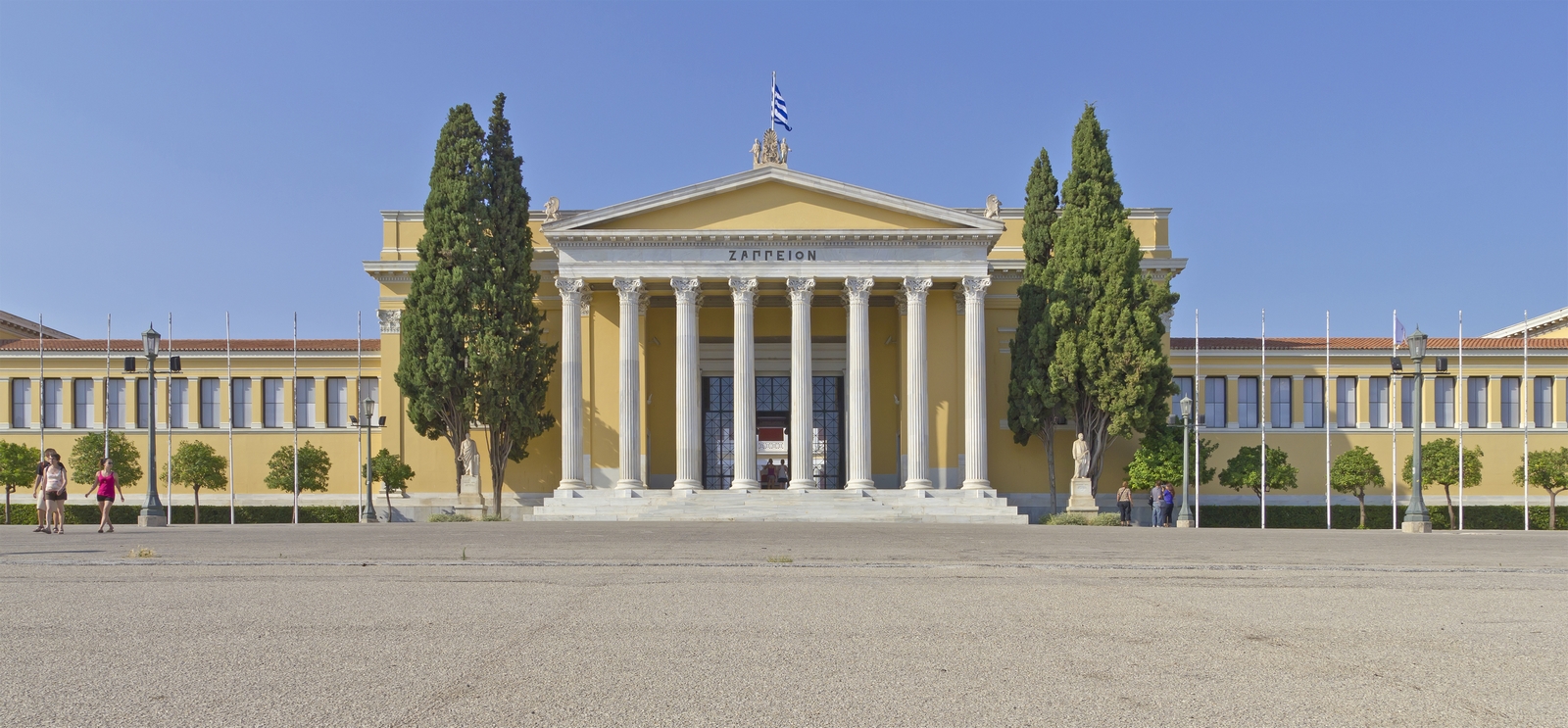
Zappeion Hall
Is a large, palatial building next to the National Gardens of Athens in the heart of Athens, Greece. It is generally used for meetings and ceremonies, both official and private.
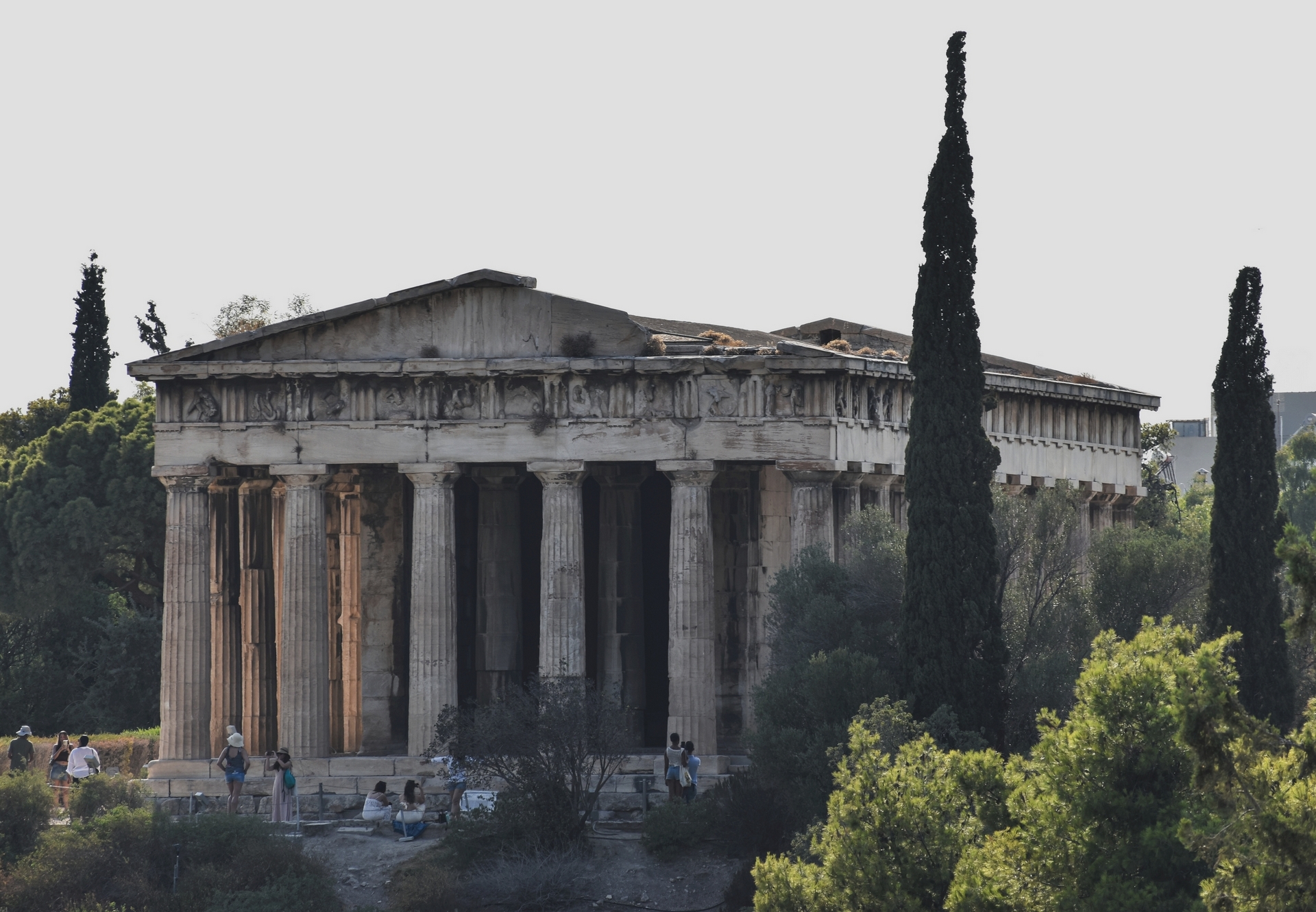
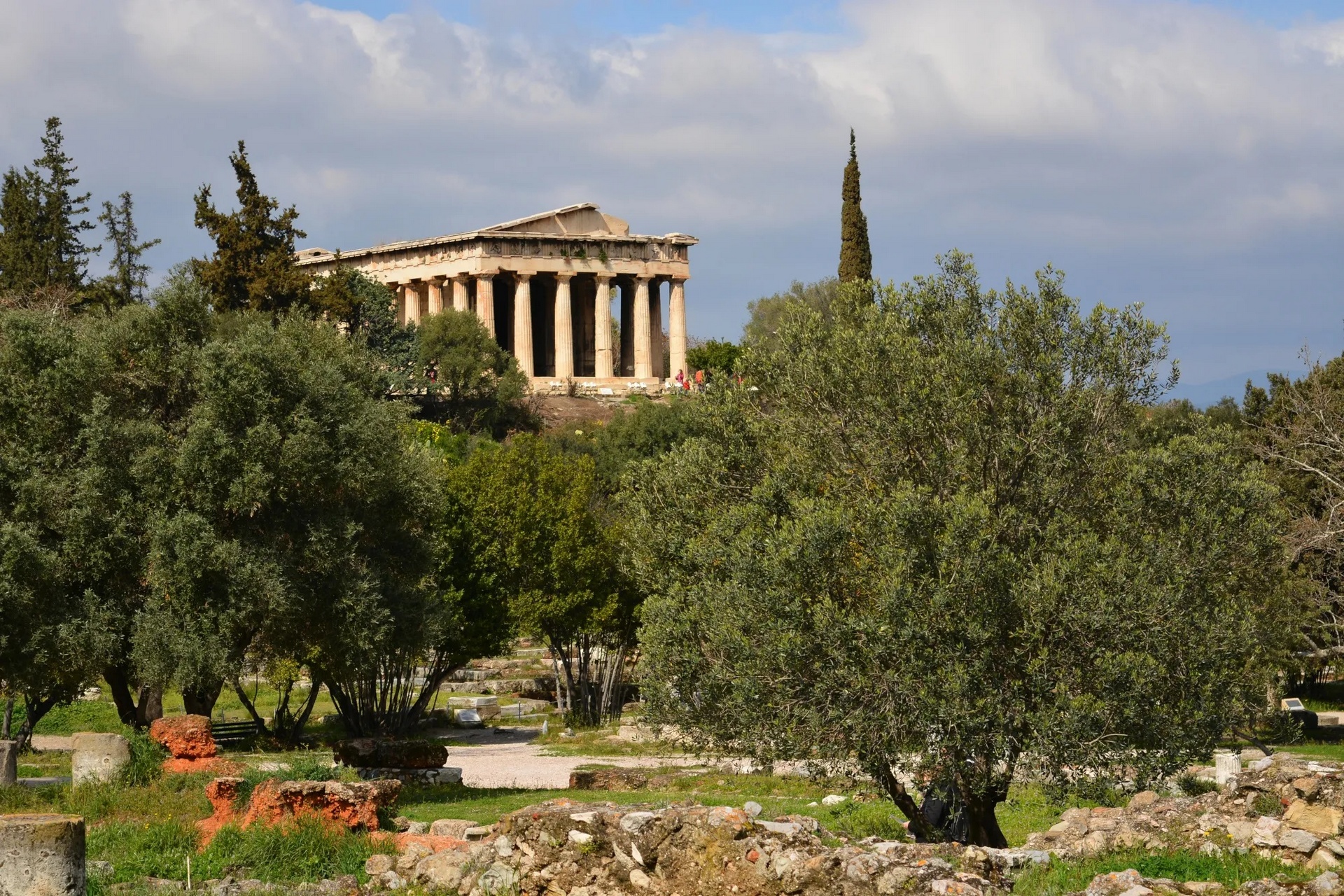
Temple of Hephaistos
The Temple of Hephaistos, highlight of the Ancient Agora in Athens.
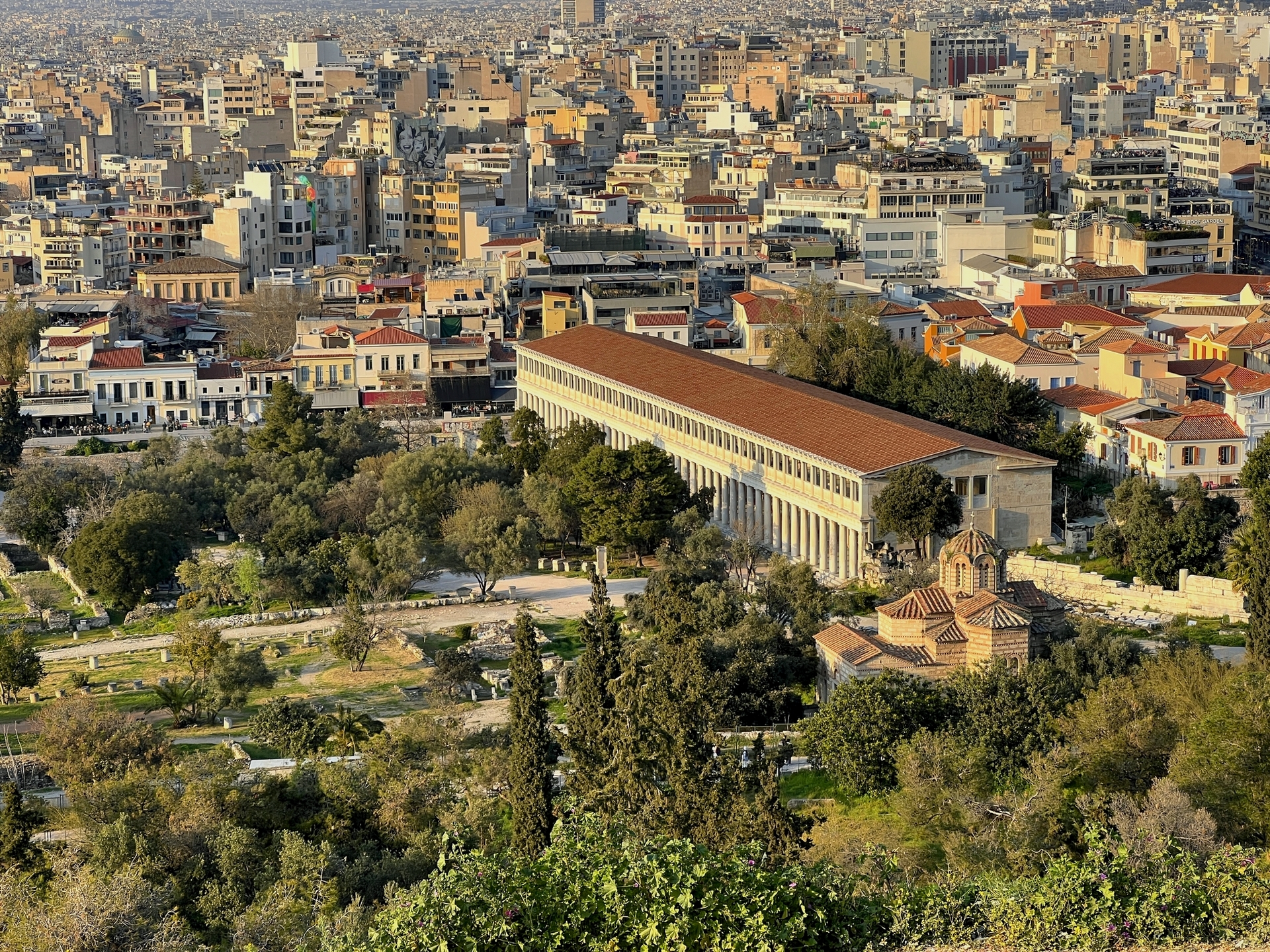
The Stoa of Attalos
The Stoa of Attalos was a covered walkway or portico in the Ancient Agora of Athens.
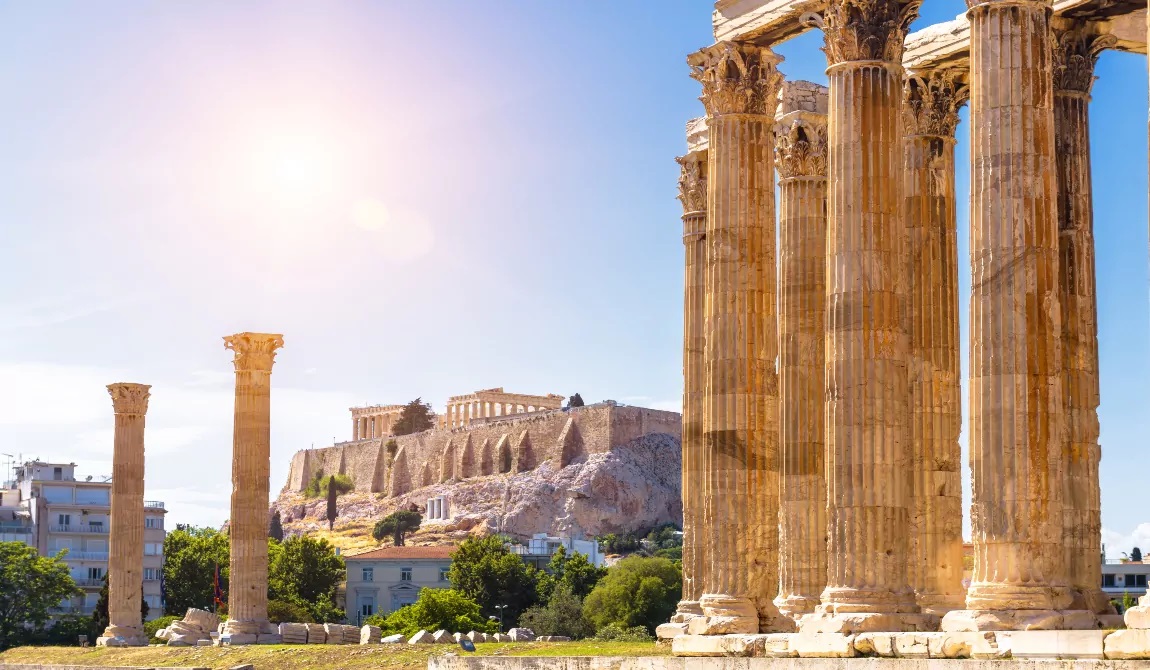
Τhe Temple of Olympian Zeus
Τhe Temple of Olympian Zeus is essentially the ruins of the original temple, also known as the Olympieion.
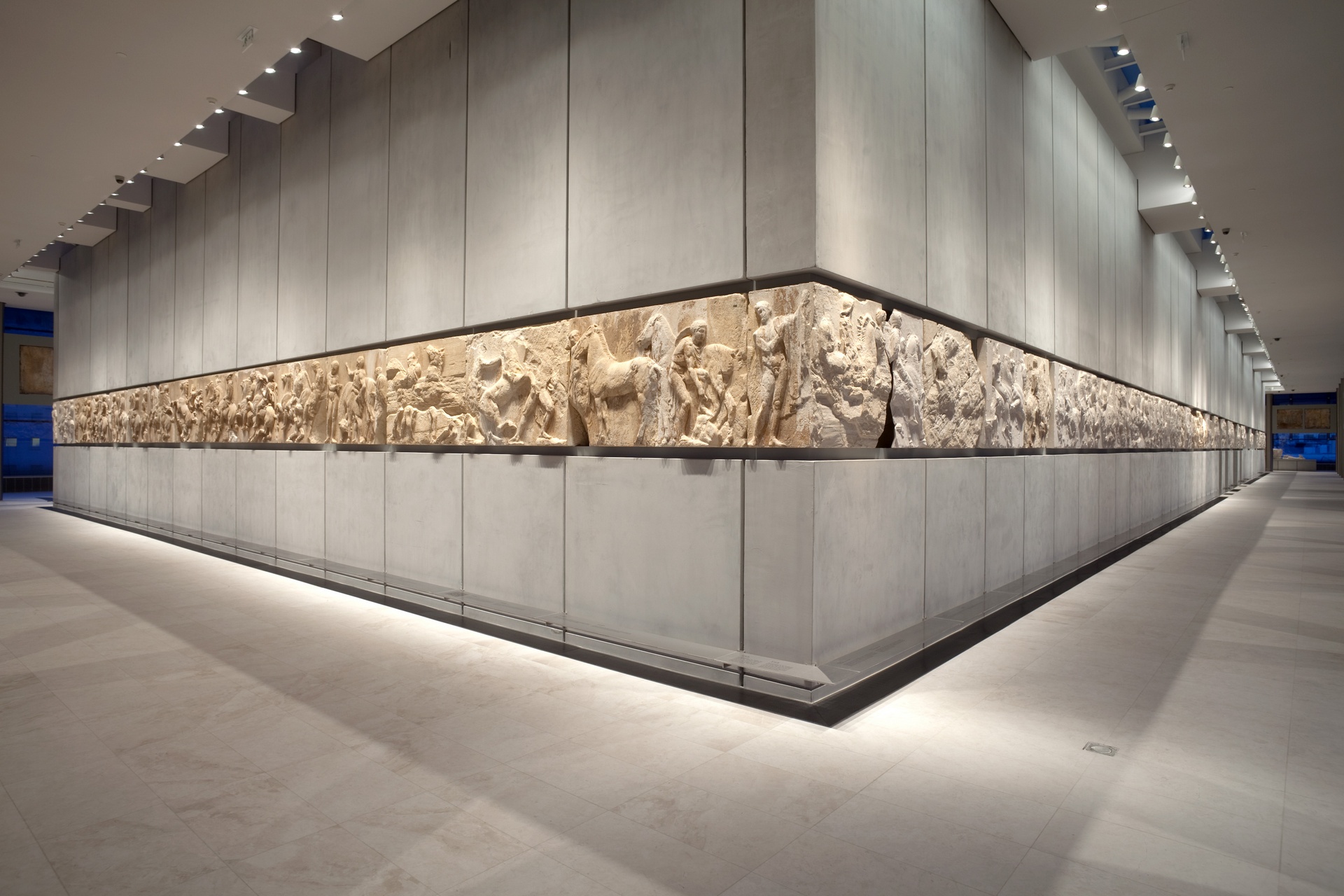
Acropolis Museum
The southwest corner of the frieze, from which began the two streams of the Panathenaic procession.
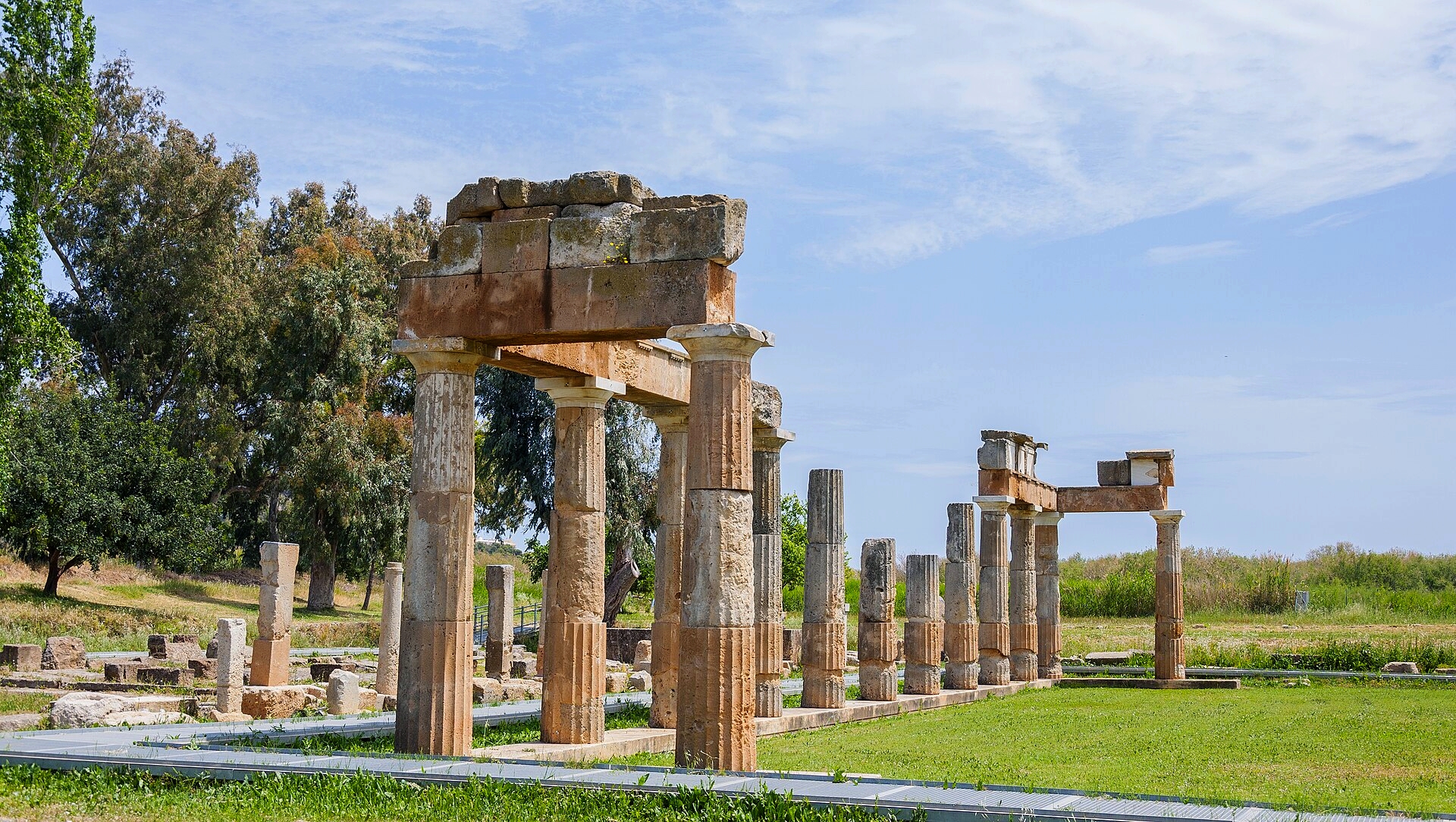
The Temple of Artemis Brauronia
The Temple of Artemis Brauronia is a temple in the archaeological site of Brauron. It was built in the 5th century and is in the Doric order.
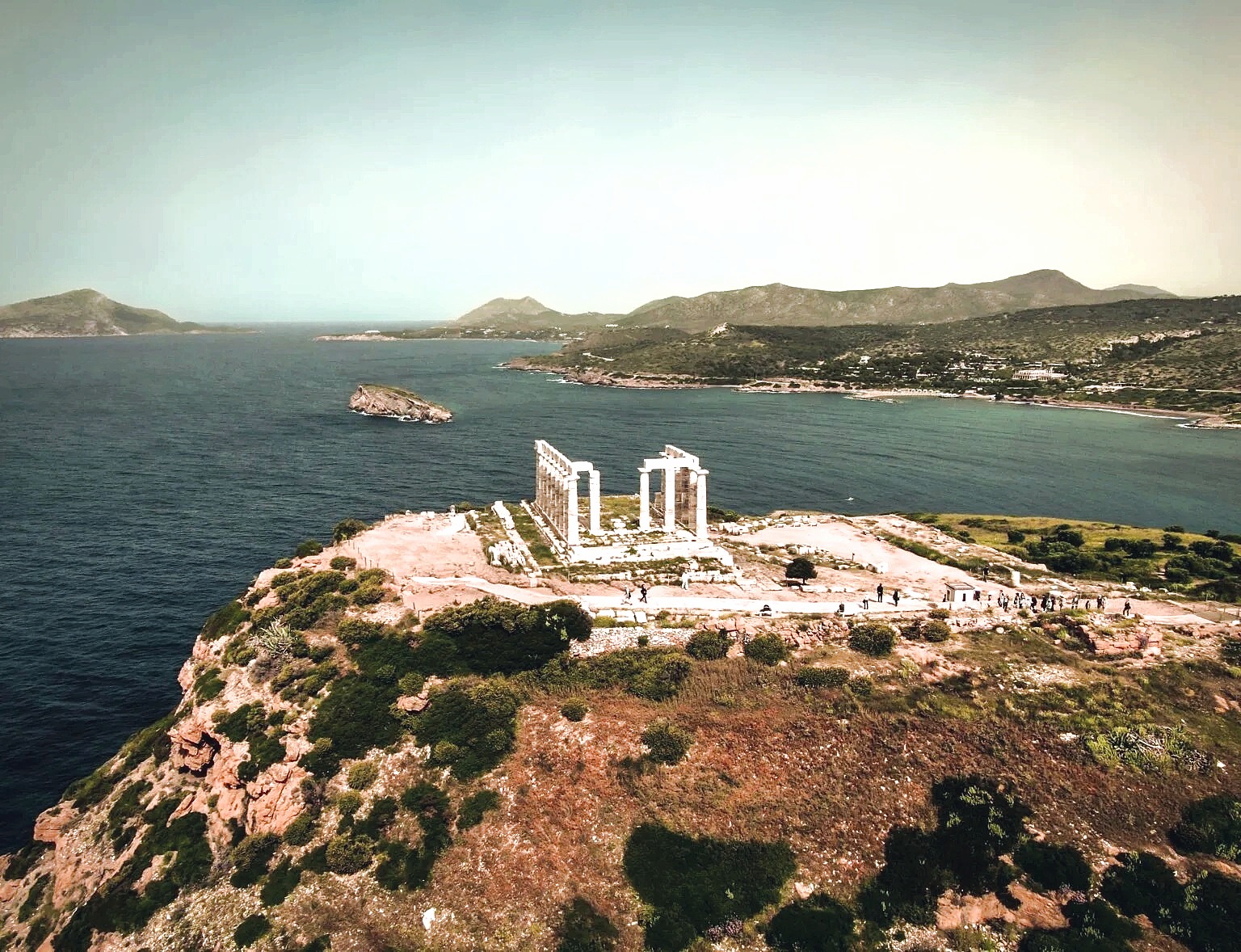
The sanctuary of Poseidon
The sanctuary of Poseidon, god of the sea, and the settlement were both within Sounion’s fortified area.
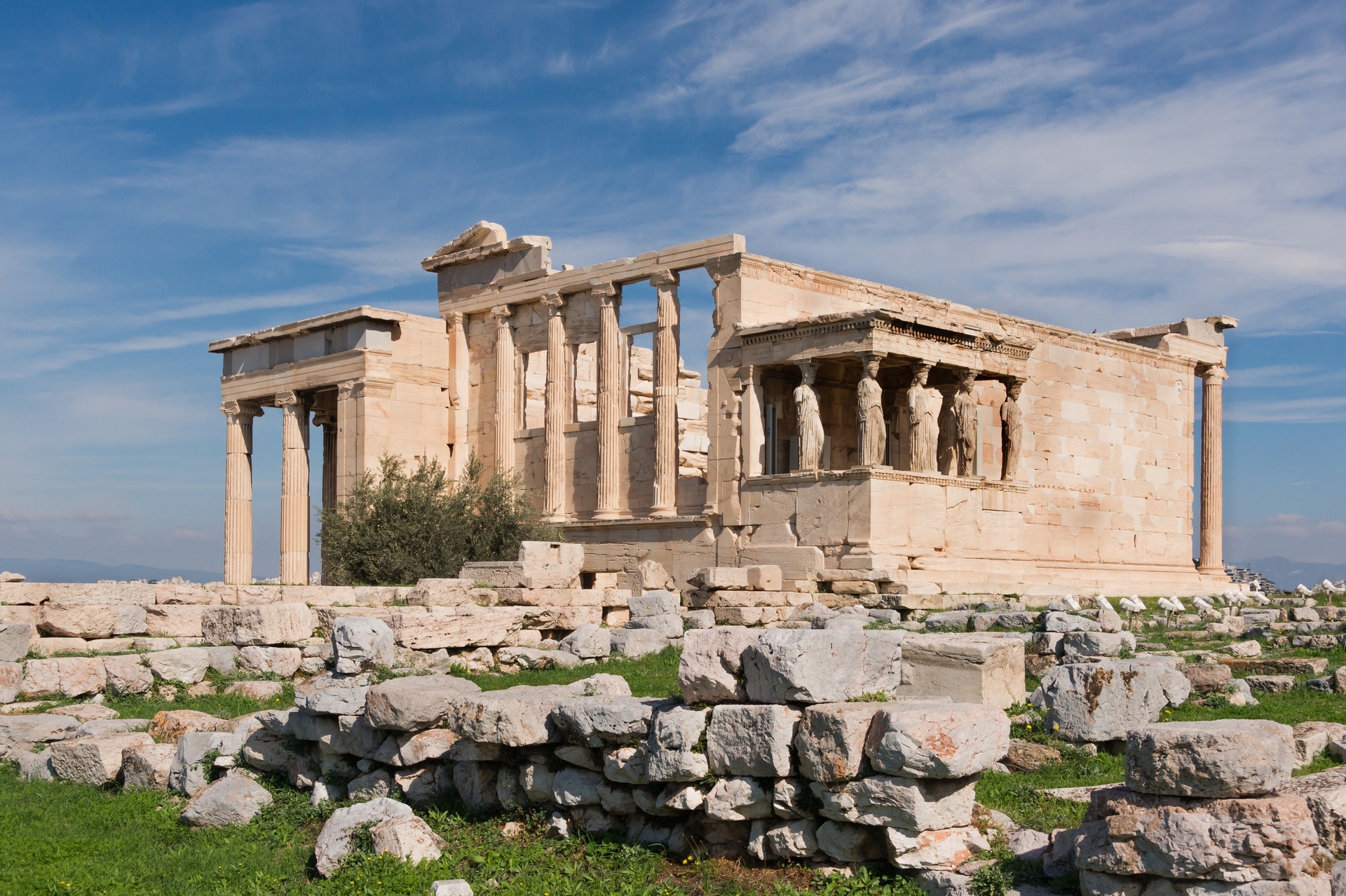
The Erechtheion
The Erechtheion, latinized as Erechtheum or Temple of Athena Polias is an ancient Greek Ionic temple, on the north side of the Acropolis, Athens, that was primarily dedicated to the goddess Athena.
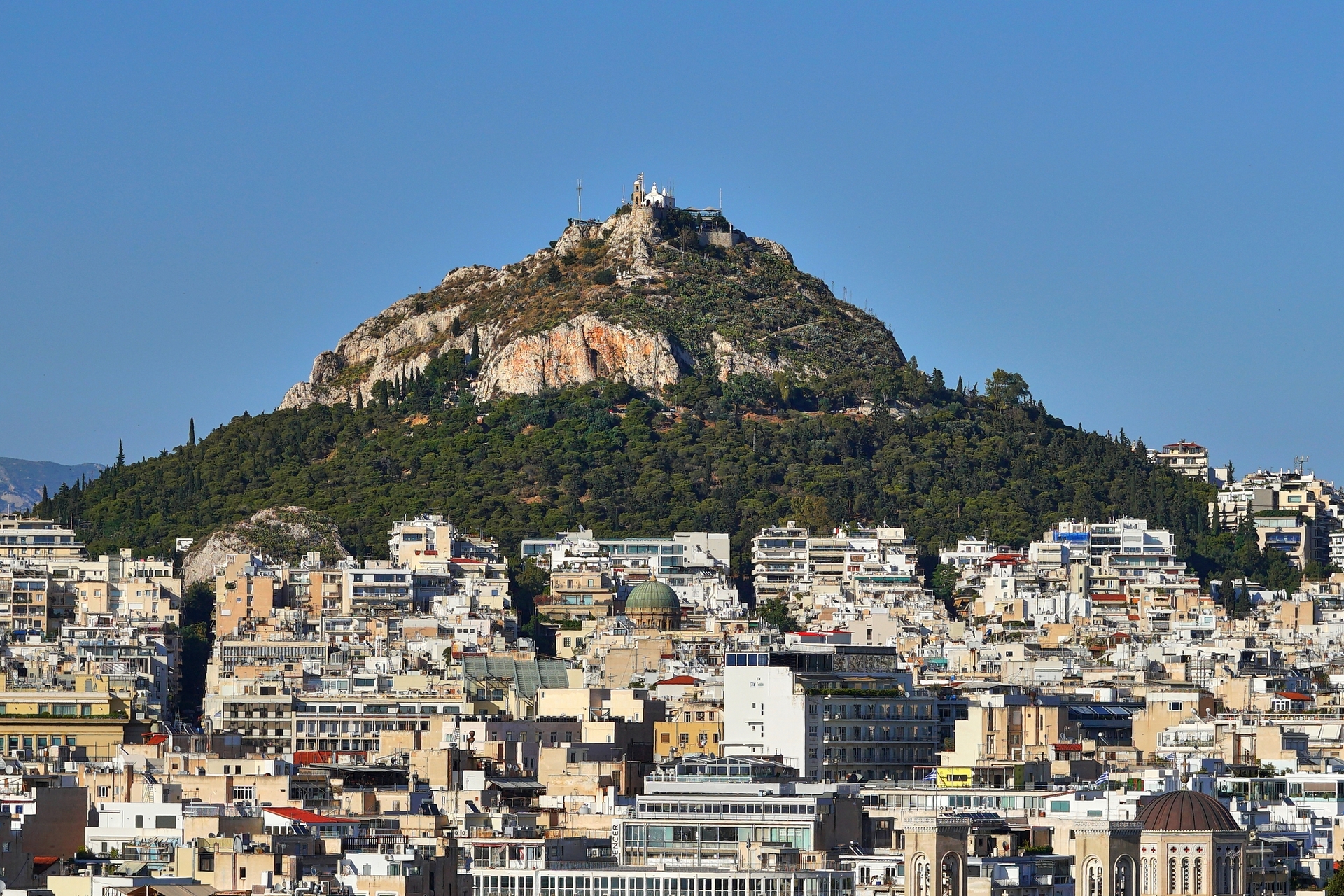
Mount Lycabettus
Mount Lycabettus, also known as Lycabettos, Lykabettos or Lykavittos, is a Cretaceous limestone hill in the Greek capital Athens.
Anafiotika
Anafiotika, is a scenic tiny neighborhood of the center of Athens, part of the old historical neighborhood called Plaka. It lies on the northeast side of the Acropolis hill.
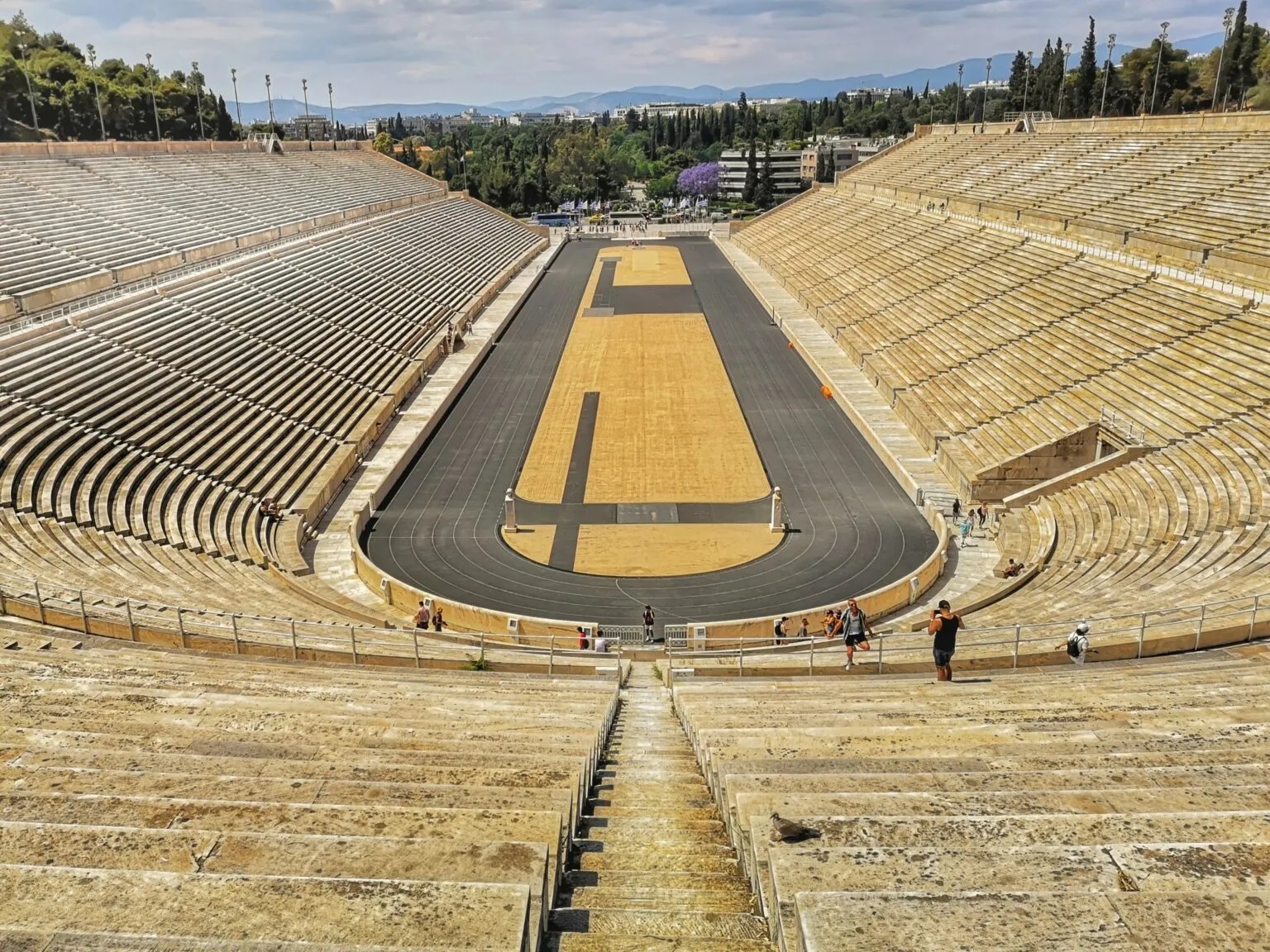
The Panathenaic Stadium
The Panathenaic Stadium or Kallimarmaro. One of the main historic attractions of Athens. It is the only stadium in the world built entirely of marble.
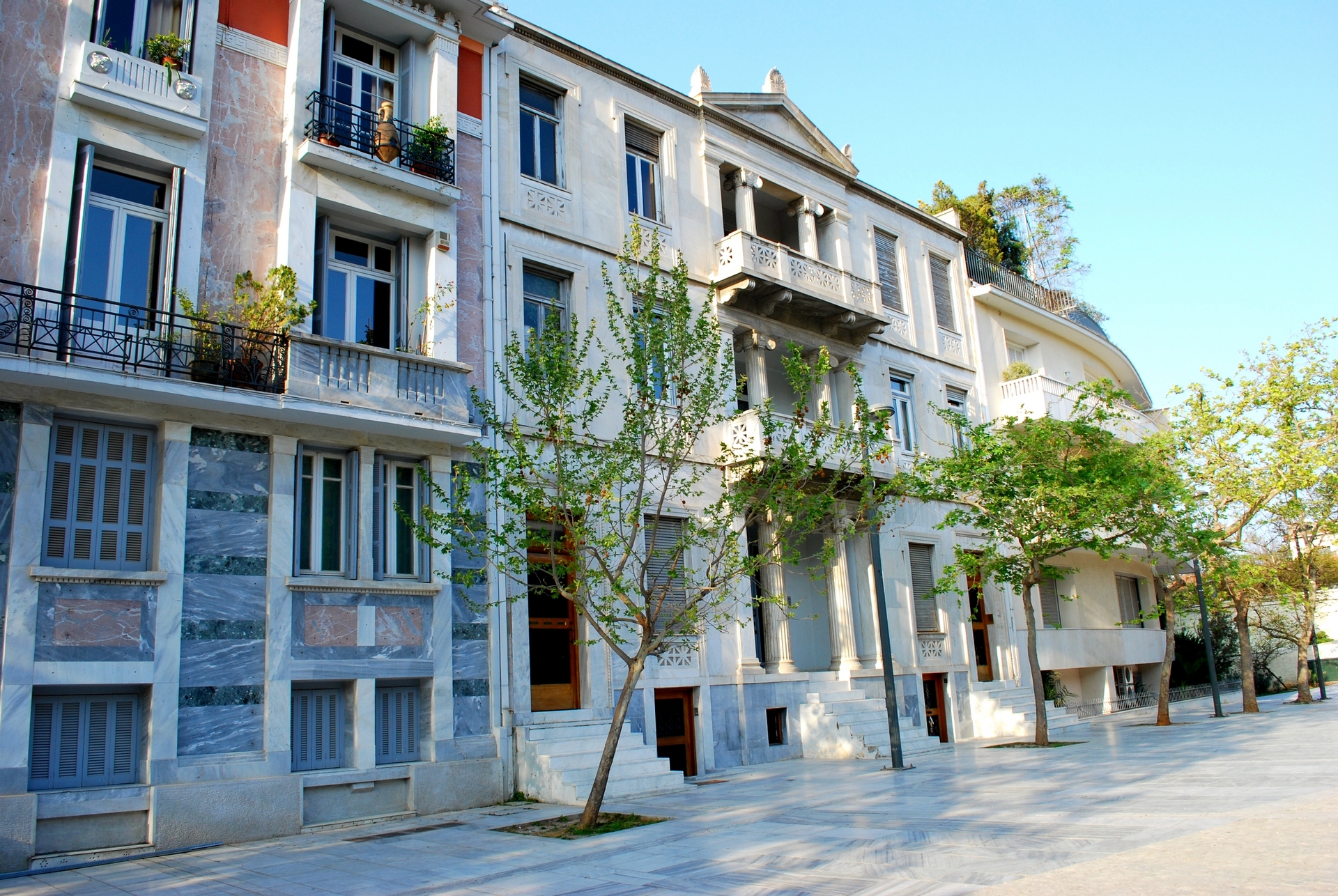
Dionysiou Areopagitou Street
Dionysiou Areopagitou Street. It is named after Dionysius the Areopagite, the first Athenian convert to Christianity after Apostle Paul's sermon, according to the Acts of the Apostles, and patron saint of the city of Athens.
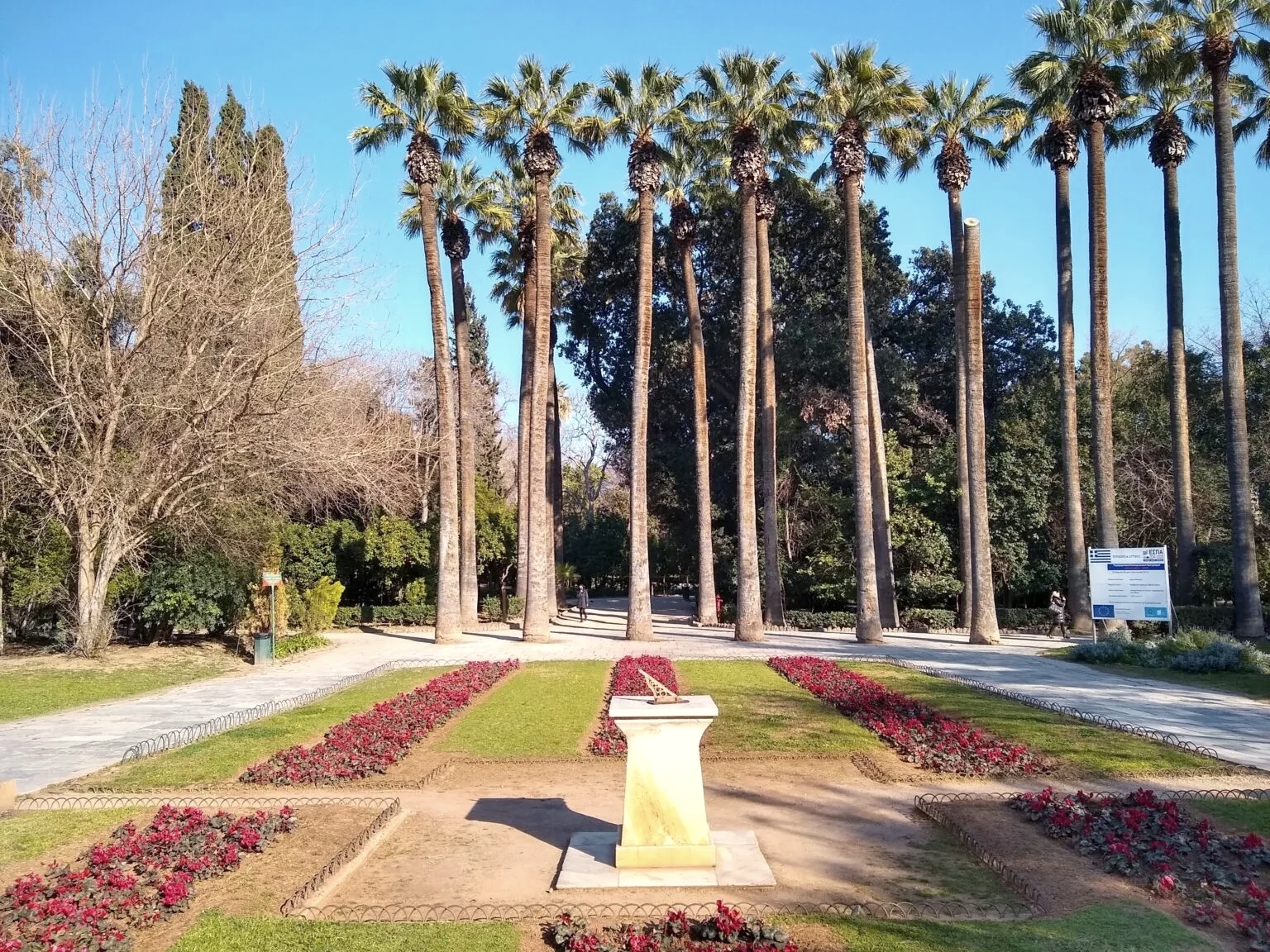
The National Garden
The National Garden, formerly known as the Royal Garden until 1974, is a public park of 15.5 hectares (38 acres) in the center of the Greek capital, Athens.
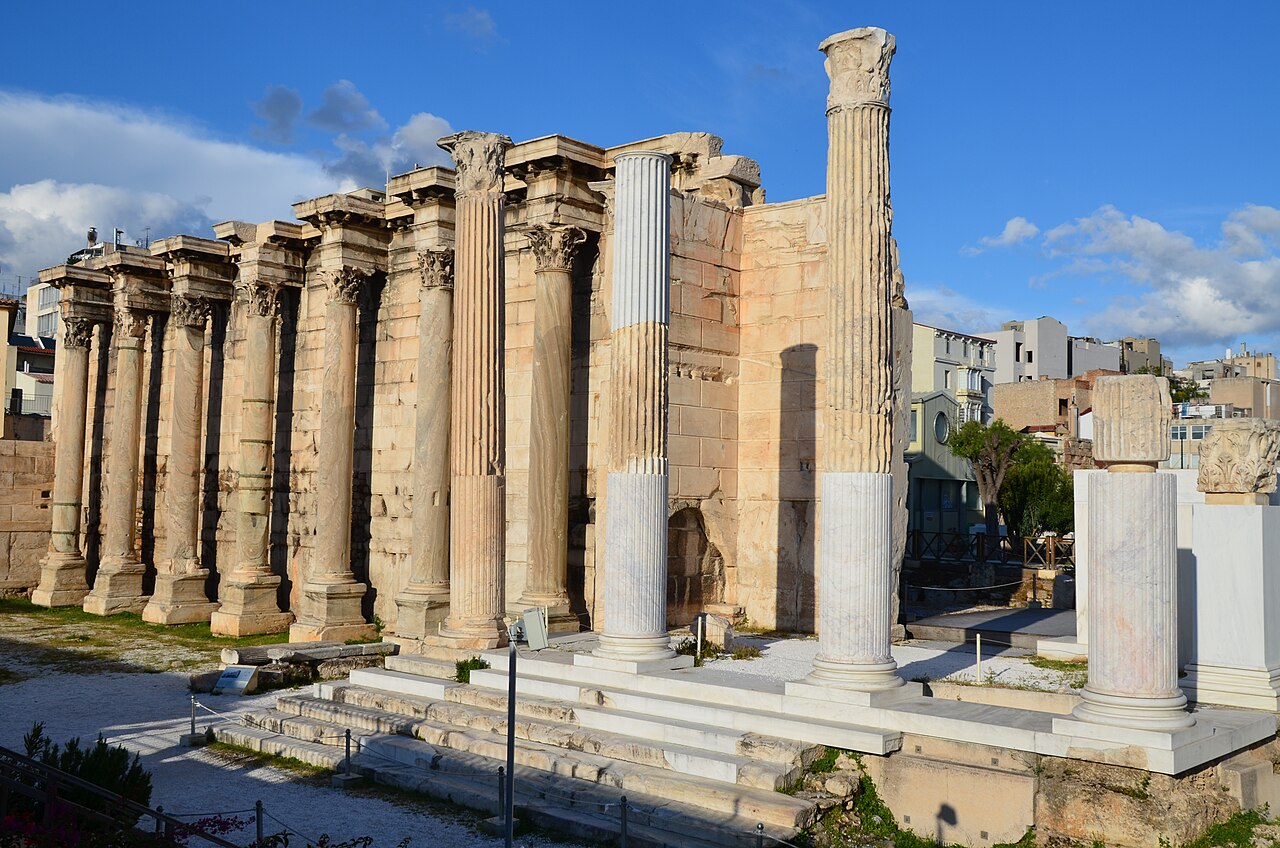
Hadrian's Library
Hadrian's Library is the ruin of a monumental building created by Roman Emperor Hadrian in AD 132 on the north side of the Acropolis of Athens
The Ancient Agora
The Ancient Agora of Athens (also called the Classical Agora) is an ancient Greek agora. It is located to the northwest of the Acropolis.
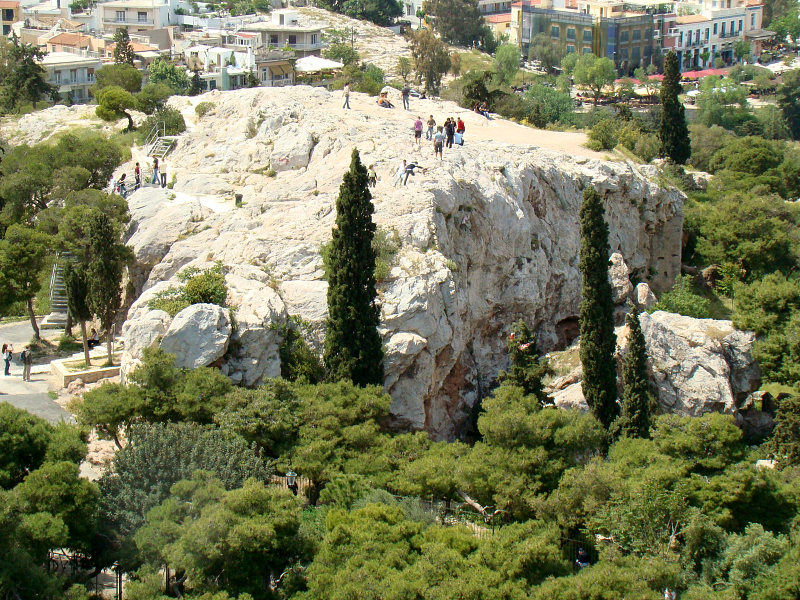
The Areopagus
The Areopagus, was a principal council of ancient Athens, later serving mainly as a judicial body responsible for cases of homicide, wounding, and certain religious offenses.[
The Pnyx
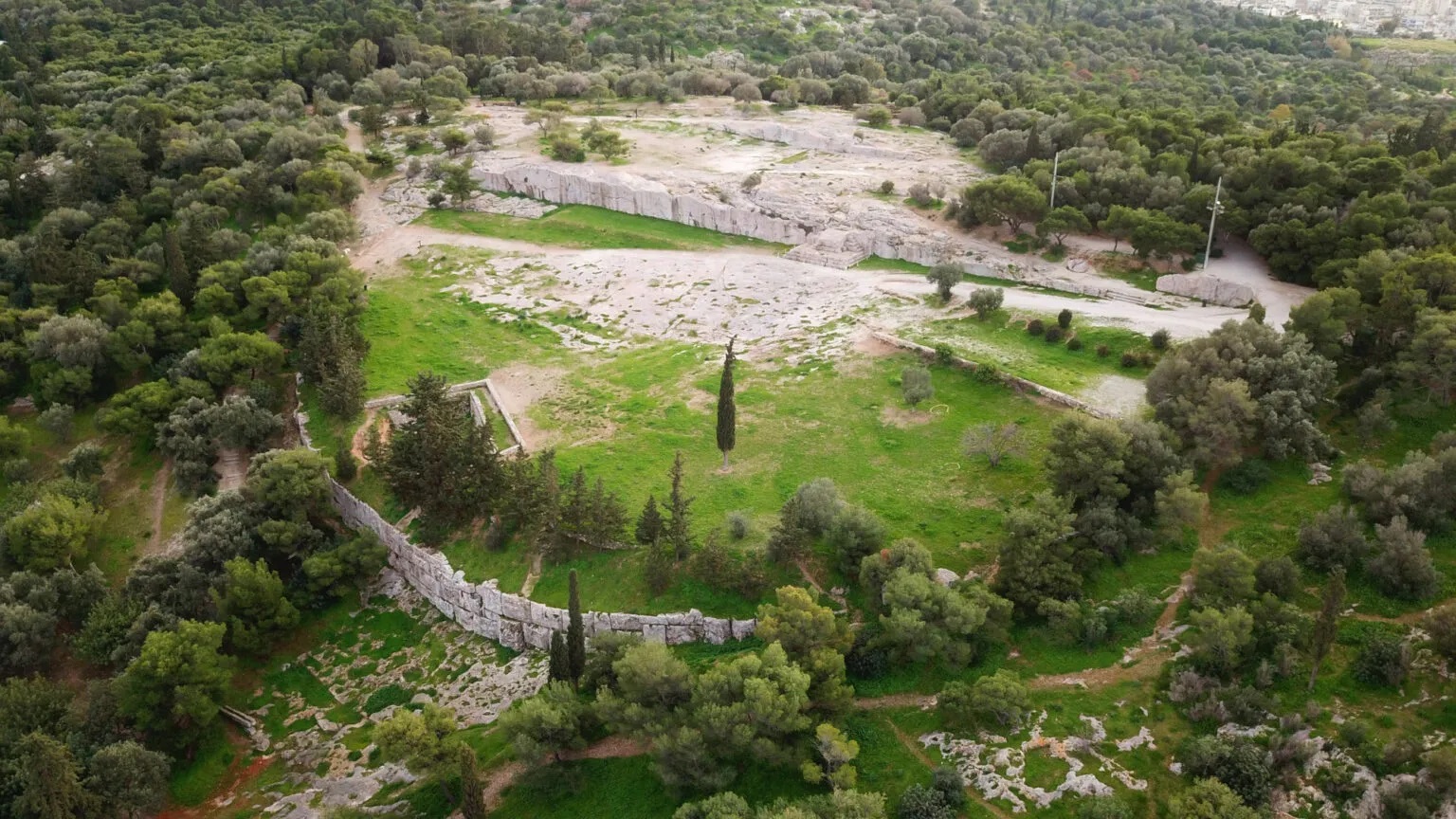
The Pnyx was used for popular assemblies in Athens as early as 507 BC, when the reforms of Cleisthenes transferred political power to the citizenry.
Kerameikos
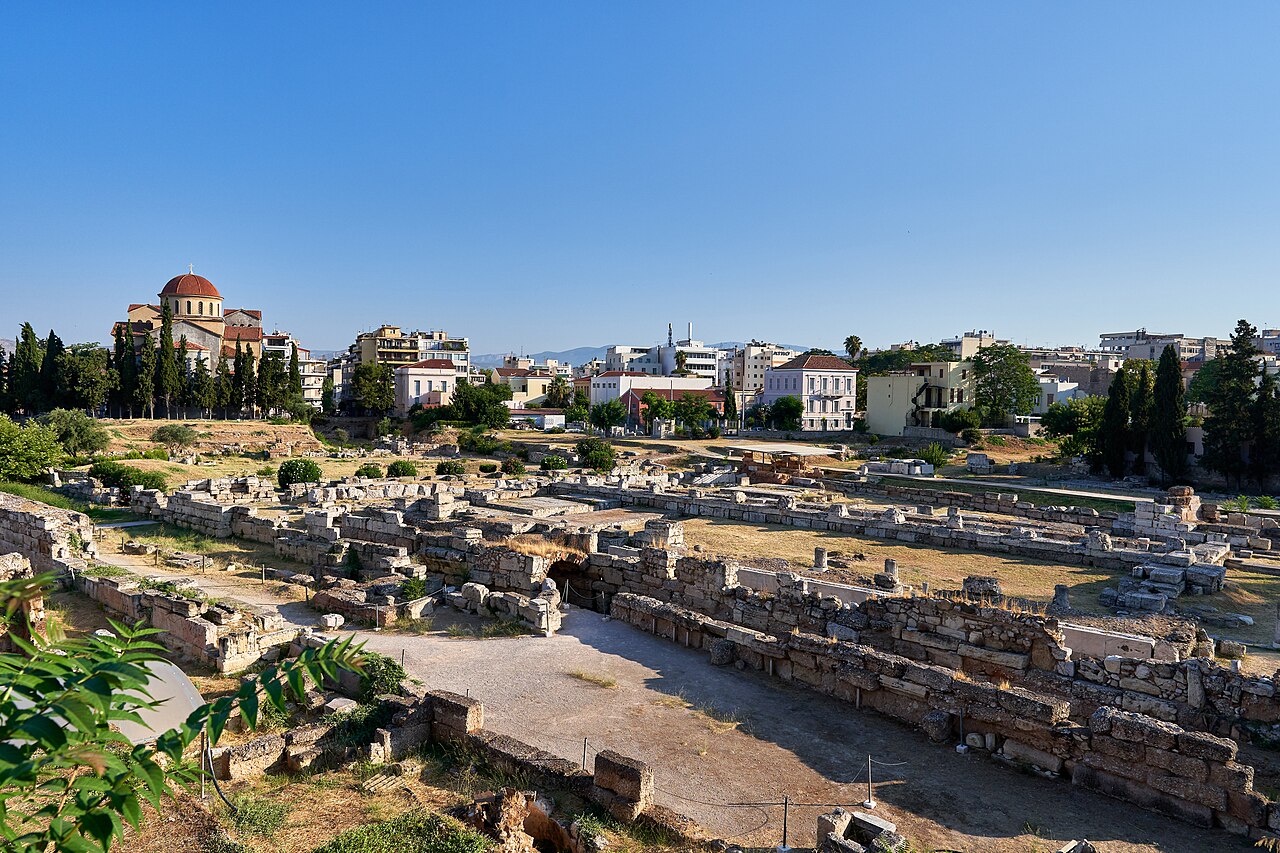
It was the potters' quarter of the city, from which the English word "ceramic" is derived, and was also the site of an important cemetery and numerous funerary sculptures erected along the Sacred Way, a road from Athens to Eleusis.
Monastiraki
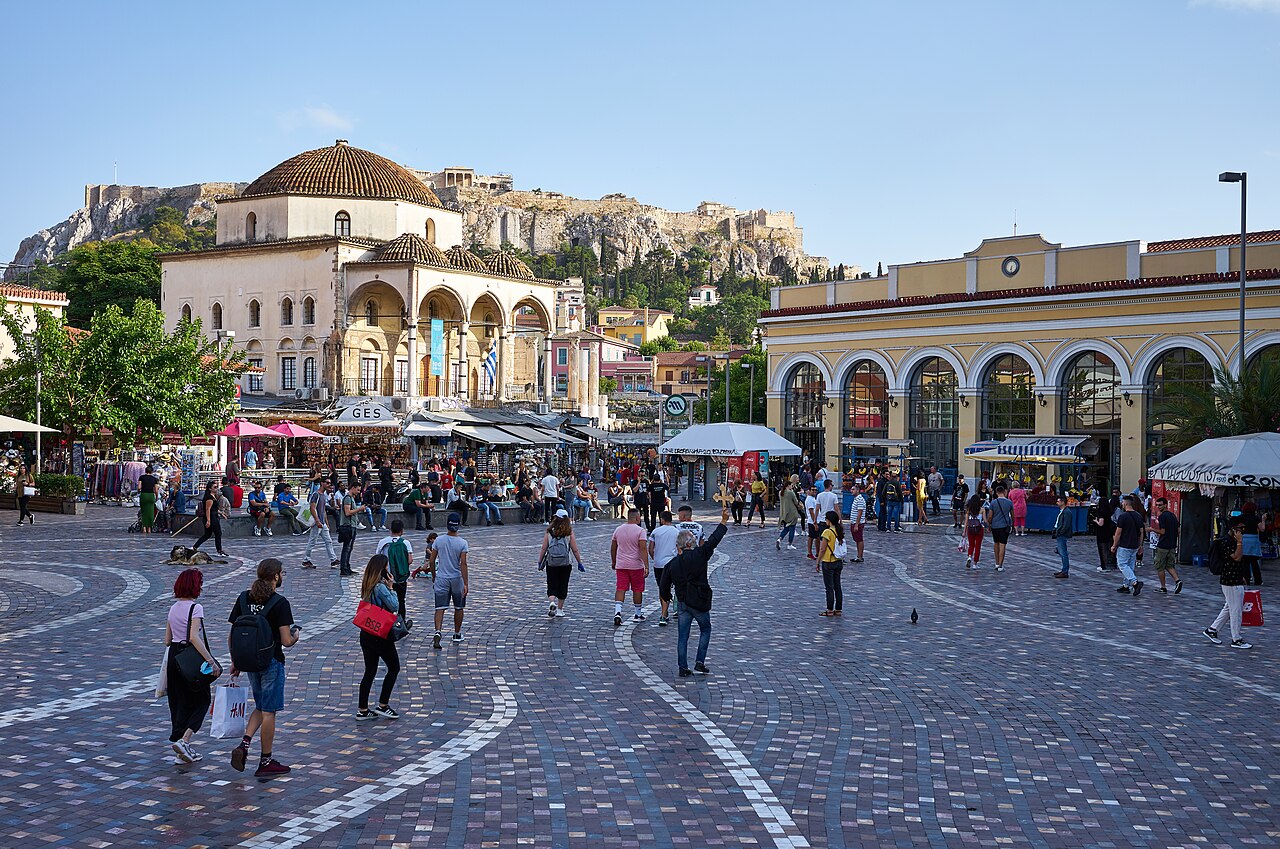
Monastiraki , literally little monastery is a flea market neighborhood in the old town of Athens, Greece, and is one of the main shopping districts in Athens.